Hiring vehicles and drivers in the UK
Yacht Charter Explained: Crewed or Bareboat?
10 November 2026
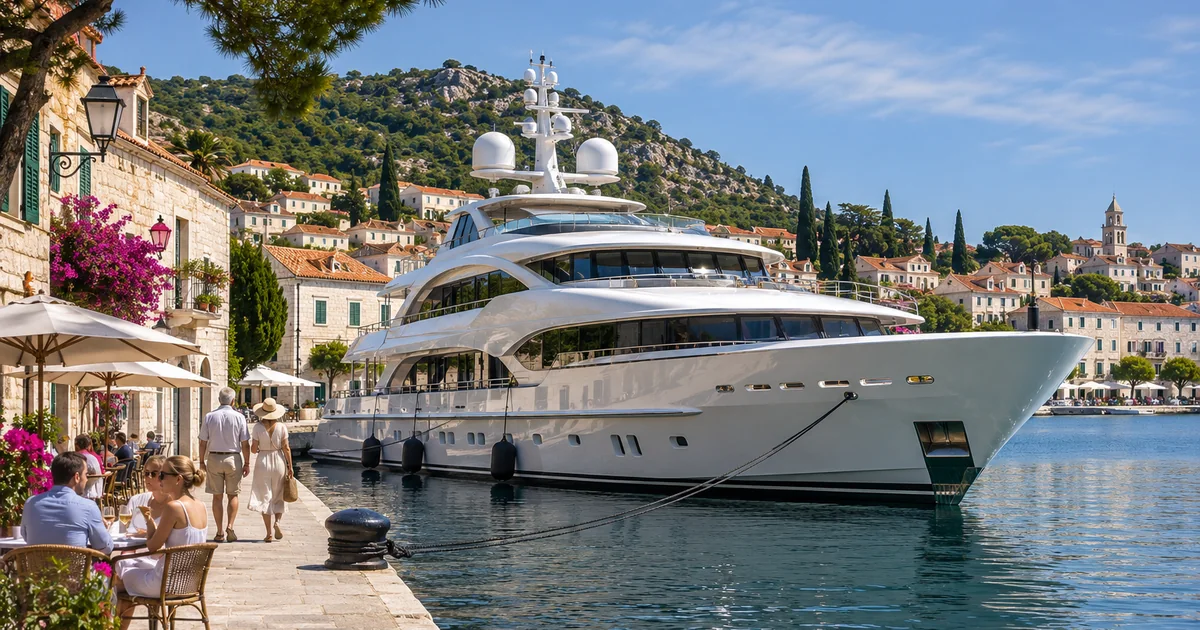
A yacht charter means hiring a yacht for a set period, either with a professional crew or on your own as a bareboat charter. Crewed charters suit people who want to relax while the captain handles the sailing. Bareboat charters suit experienced sailors who hold the right qualifications and want to skipper the boat themselves.
Quick answer: Choose a crewed charter if you want a captain and crew to sail, cook and look after the boat. Choose a bareboat charter if you can prove sailing experience and hold a recognised qualification. In both cases, read the charter agreement, check what the price includes and ask how fuel, food and port fees are paid.
Key Takeaways
Crewed charters include a captain and, on larger yachts, a full crew.
Bareboat charters usually require a recognised skipper qualification.
The charter agreement sets out what is included and what is extra.
Running costs such as fuel and berths are often paid on top of the base fee.
Book early for the peak summer season in popular waters.
Crewed Yacht Charter
On a crewed charter, the yacht comes with a captain and, depending on its size, a chef, stewards and deckhands. You choose the broad route and the pace, and the captain decides what is safe given the weather. It is the natural choice for families, celebrations and anyone who wants a week at sea without the work.
Before you book, ask about the crew: how long they have worked together, the captain's experience in the area and whether the chef can cater for allergies or particular tastes. A short preference sheet sent ahead of time lets the crew plan meals and activities.
Bareboat Charter
A bareboat charter gives you the yacht without crew. You are the skipper and responsible for the boat and everyone aboard. Charter companies normally ask for a sailing CV, and many countries require a recognised qualification such as the International Certificate of Competence, which UK sailors can obtain through the RYA. A VHF radio licence is often needed too.
If you have the experience but not the paperwork, some companies offer a hired skipper for the week, which sits between the two options.
Understanding the Charter Agreement
Many charters in the Mediterranean use standard contract terms, such as those published by MYBA, the yachting industry association. Whatever form is used, read it carefully before you pay a deposit. You might also like our article How Chauffeur Hire Works.
The charter period, including the times of embarkation and disembarkation.
The cruising area and any limits on where the yacht can go.
What the base fee covers and which running costs are extra.
Payment dates, cancellation terms and refund rules.
Insurance, the security deposit and how damage is handled.
Provisioning and Running Costs
On many crewed charters, you pay a base fee for the yacht and crew, plus an advance provisioning allowance, often called the APA. The captain uses this to pay for fuel, food, drinks, berthing and similar costs, and gives you an account at the end, refunding any balance. Ask how the APA works on your charter and how often you will see the running total.
What Affects the Cost
Charter prices vary widely, so compare full quotes rather than headline weekly rates. The cost depends on the size and age of the yacht, the number of crew, the season, the cruising area, how far you travel each day and the local tax rules, as VAT on charters differs between countries. A gratuity for the crew is customary on crewed charters, and it is worth asking what is usual for the area. If you would rather hand the whole trip to one person, a London concierge such as Gio Cavali Concierge can arrange the charter and the travel around it.
Getting to the Yacht
Most charters start from a marina, so plan flights and transfers around the embarkation time. Allow for luggage, which should be soft bags rather than hard cases, as storage on board is limited. If you are leaving from a UK airport, our guide to booking an airport transfer covers the journey to the terminal.
At the other end, a pre-booked car to the marina saves time after a flight. Our article on private hire or taxi explains the difference in the UK, and the same questions about licensing and pre-booking are worth asking abroad.
Choosing When to Go
The Mediterranean summer season is the busiest time for charters, and popular yachts can be booked many months ahead. Shoulder months often bring calmer harbours and warm water. Talk through the likely weather for your dates with the charter company or captain before you commit.
Frequently Asked Questions
What is the difference between crewed and bareboat charter?
A crewed charter includes a captain and often a full crew. On a bareboat charter you sail the yacht yourself and must show you have the right experience and qualifications.
Do I need a licence to charter a yacht?
For a crewed charter, no. For a bareboat charter, many countries require a recognised certificate such as the International Certificate of Competence and often a VHF radio licence.
What is APA on a yacht charter?
The advance provisioning allowance is money paid ahead to cover running costs such as fuel, food and berthing. Any unspent balance is usually refunded at the end.
Should I tip the crew on a yacht charter?
A gratuity is customary on crewed charters. Ask the charter company what is usual for the area and the size of yacht.
Does The Hire Handbook arrange yacht charters?
No. The Hire Handbook is an independent guide. We explain how hiring works, but we do not arrange charters, take bookings or endorse individual firms.